Finding strength in softer practices
Why slow, controlled work builds more than you think.
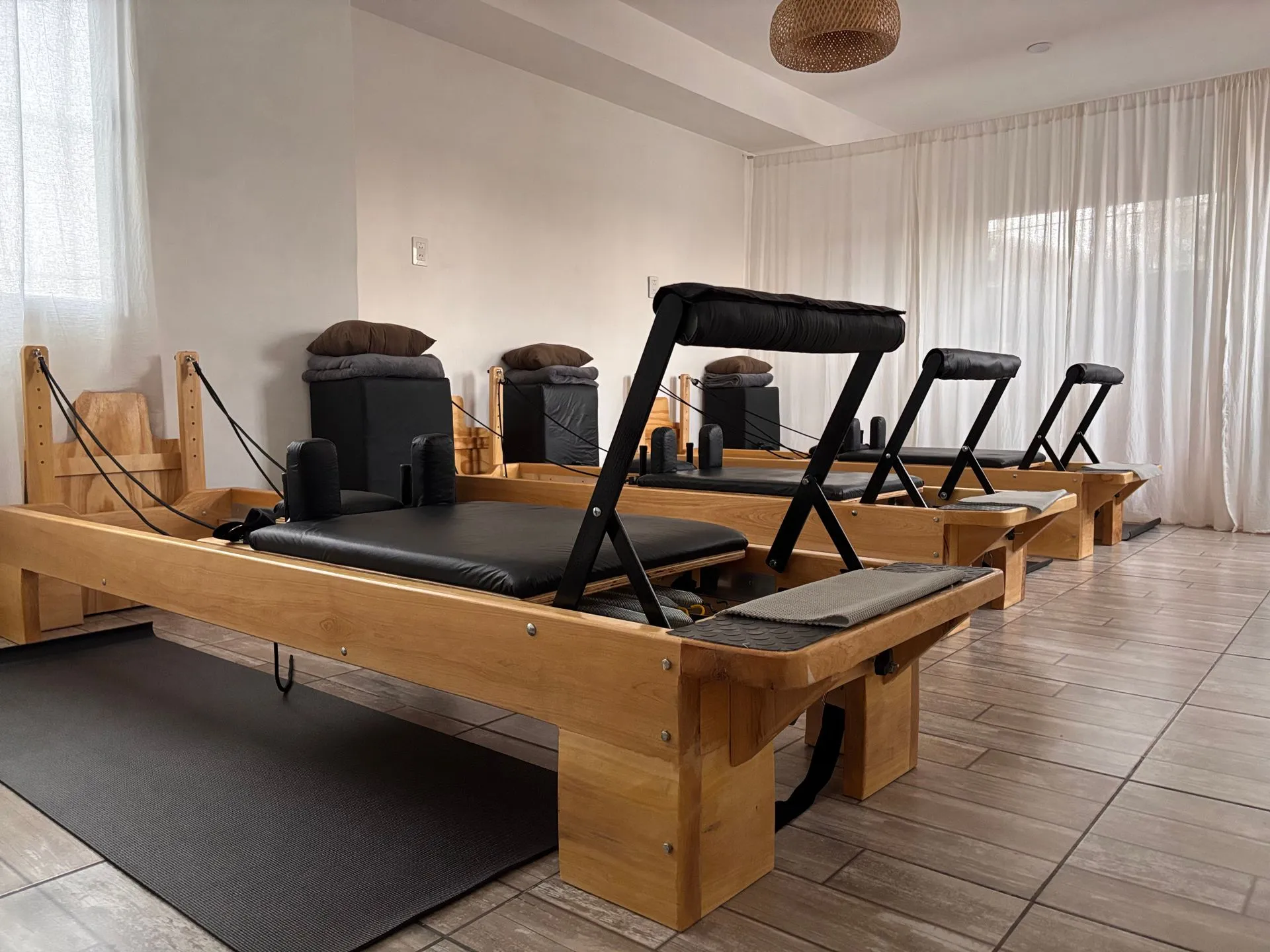
Strength does not always arrive with sweat and speed. On the Reformer, some of the hardest work happens slowly, with light springs and full attention.
Slow is not easy
Moving slowly removes momentum. Without it, the muscles have to control every inch of the movement, especially the small stabilisers around the spine, hips and shoulders that fast training often skips.
Light springs, deep work
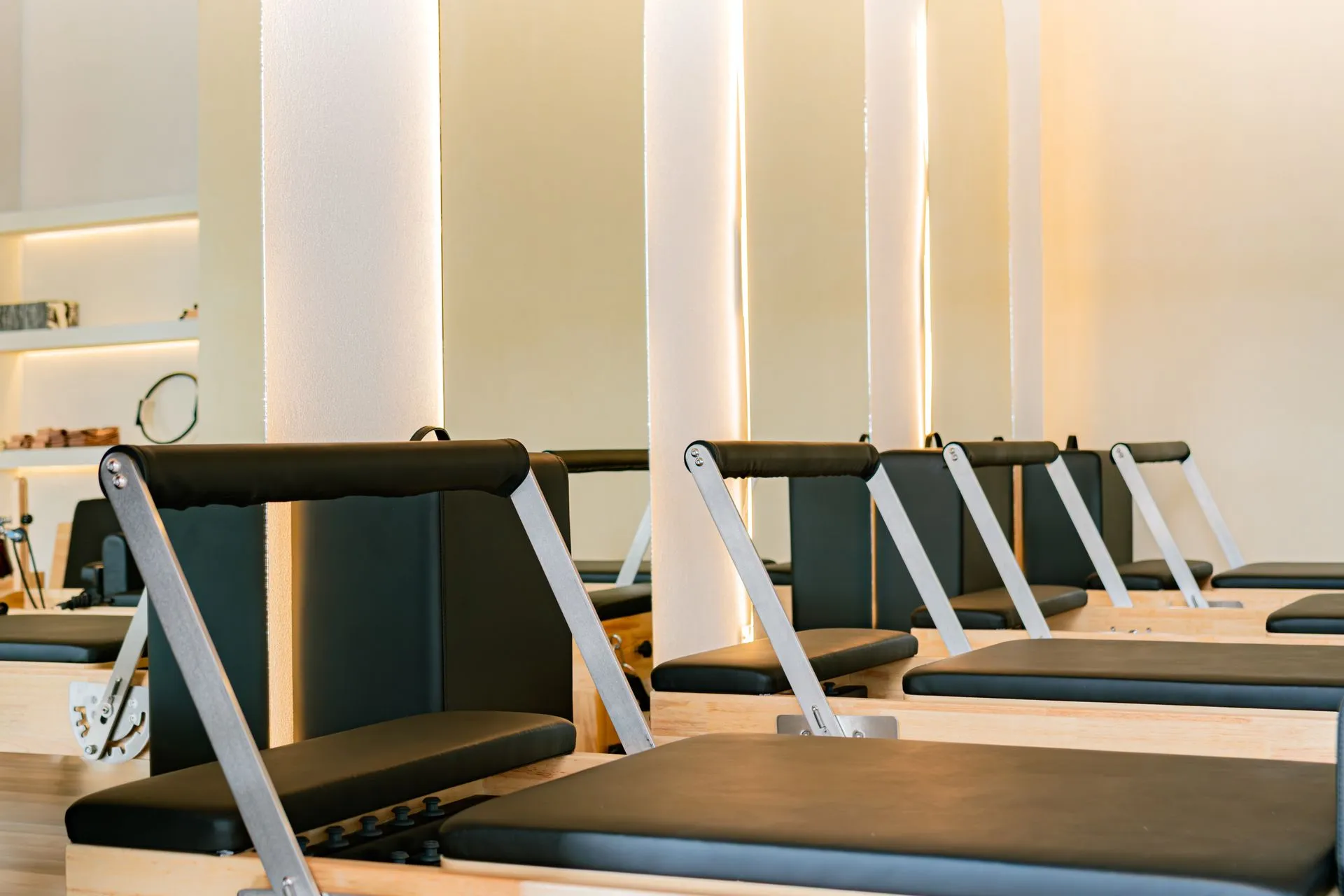
A lighter spring can be harder than a heavy one. With less support, the body has to organise itself, so the core switches on to keep the carriage steady.
Control is a skill
Joseph Pilates called his method Contrology. Control is trainable, and like any skill it improves with patient, precise practice rather than volume.
Softness builds resilience
Slower practices also calm the nervous system. A body that is not braced against stress moves more freely and recovers faster.
“Change happens through movement and movement heals.” (Joseph Pilates)
Try it this week
In your next class, take one exercise at half speed. Notice where you wobble. That wobble is exactly where the strength is being built.